
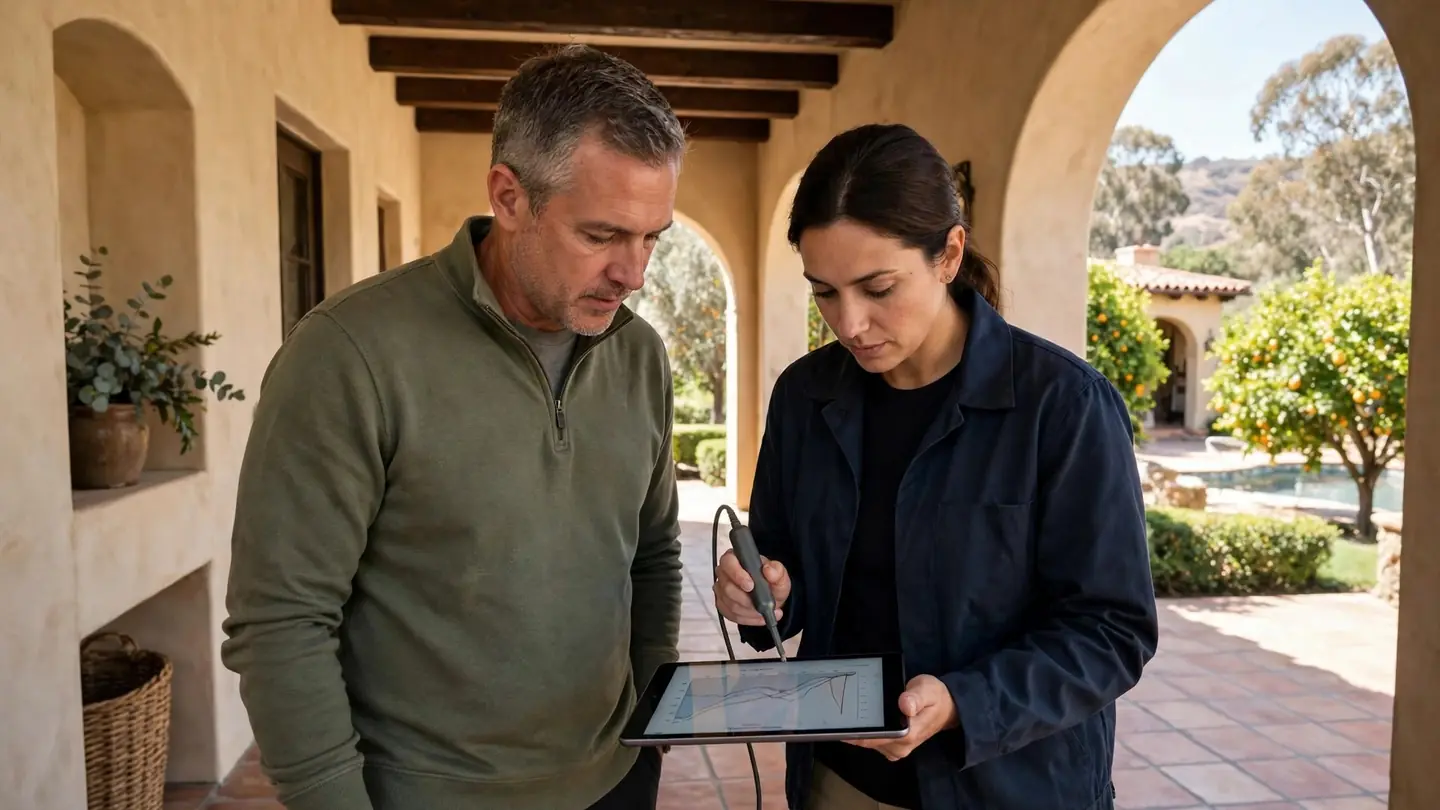
Key facts: Working With Your Adjuster
- Most policies expect you to take reasonable steps to prevent further damage after a loss.
- Photos, moisture readings and drying logs help an adjuster understand what happened and what was done.
- Standard homeowners policies generally exclude flood; sewer backup may need a separate endorsement.
- The California Department of Insurance offers consumer help and information on claims.
In this guide
- 1Reporting the loss
- 2How a water damage claim usually unfolds
- 3Information that helps an adjuster
- 4How policies often treat different water sources
- 5Keeping the contractor and adjuster on the same page
- 6When you disagree with the adjuster
- 7What to keep in your claim file
- 8Claims in larger homes with custom finishes
- 9How long a water damage claim usually takes
- 10Documenting damaged belongings
- 11If you need to stay elsewhere during repairs
- 12Insurance adjuster questions
How claims start
Reporting the loss
Report the loss to your insurer or agent as soon as you reasonably can, usually the same day. Have your policy number, the date and time you found the water, a short description of the cause and your photos ready. The insurer will give you a claim number and explain whether an adjuster will visit or handle the claim remotely.
You do not have to wait for the adjuster before taking emergency steps. Policies typically expect you to stop the damage from getting worse, which includes extraction and drying. Keep records of everything you do and anything you remove.
The usual sequence
How a water damage claim usually unfolds
- 1
Report and get a claim number
The insurer opens the claim and assigns an adjuster.
- 2
Emergency mitigation
Extraction, removal and drying start to prevent further damage, with photos and readings taken.
- 3
Adjuster inspection
The adjuster reviews the damage, in person or through photos and reports.
- 4
Scope and estimate
The mitigation contractor and the repair contractor document what was done and what repair is needed.
- 5
Repair and close
Repairs proceed once agreed, and the claim is closed when work is complete.
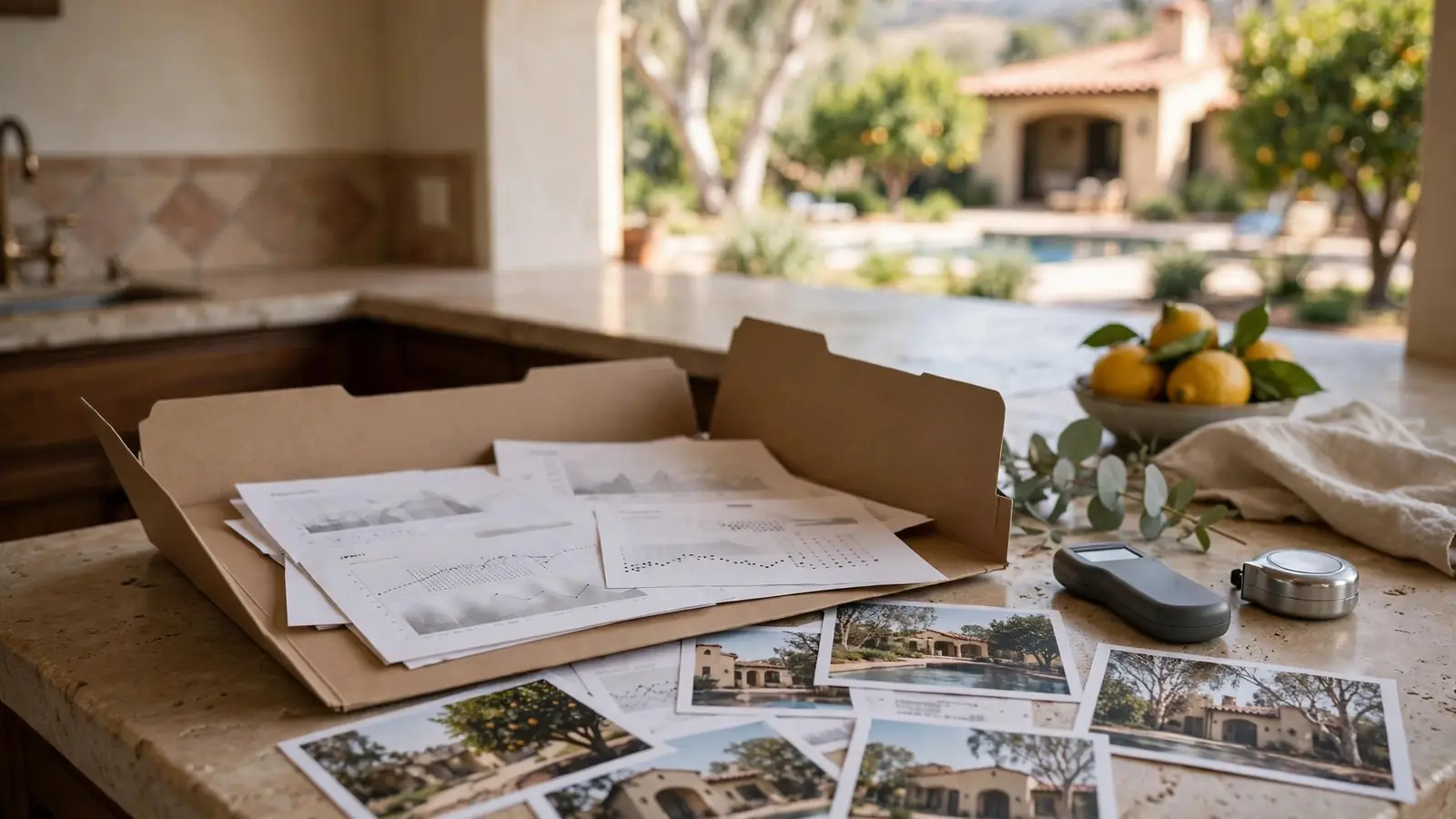
What adjusters look for
Information that helps an adjuster
Cause of loss
What failed and when. A plumber's report or the failed part itself is useful.
Before-removal photos
Photos of damage before anything is cut out or thrown away.
Moisture documentation
Moisture maps and daily drying logs show the extent and progress of drying.
Contents list
A list of damaged belongings with photos and descriptions.
Common coverage questions
How policies often treat different water sources
| Source | Often treated as | What to check |
|---|---|---|
| Sudden pipe burst | Often covered | Policy definitions of sudden and accidental |
| Slow leak over months | Often excluded | Wear, tear and maintenance exclusions |
| Surface flooding | Generally excluded | Separate flood policy through NFIP or private carriers |
| Sewer or septic backup | Varies | Whether you have a backup endorsement |
| Mold from a covered loss | Varies, often limited | Mold sublimits and conditions |
Working together
Keeping the contractor and adjuster on the same page
The restoration contractor and the adjuster both want a clear record. Give the adjuster the contractor's contact details, and ask the contractor to share photos, moisture logs and scope documents. If the adjuster wants to see damage before something is removed, ask whether photos will do, since waiting can make damage worse.
You choose who does the work. Your insurer may suggest contractors, but you are generally free to choose your own. Check any contractor's license with the California Contractors State License Board before work begins. [4]
If you disagree
When you disagree with the adjuster
If you disagree with a decision, ask the insurer to explain it in writing and to point to the policy language involved. Provide any extra documentation you have. The California Department of Insurance offers consumer assistance and can help if you feel a claim is being handled unfairly. [1]
Keep calm, keep copies and keep notes of every conversation: date, time, who you spoke to and what was said.
Call about this problem
Questions about working with your adjuster?
One call connects you with an independent water damage restoration contractor who serves Rancho Santa Fe.
Your claim file
What to keep in your claim file
- Claim number, adjuster name and contact details
- Photos and video from before, during and after cleanup
- The restoration contractor's moisture map, drying log and scope
- Reports from the plumber or other trades about the cause
- A contents list with photos and descriptions
- A log of every call and email with the insurer, with dates and names
- Receipts for any emergency purchases or temporary housing
High-value homes
Claims in larger homes with custom finishes
In large homes with custom finishes, the hardest part of a claim is often matching. Replacing a section of imported stone, hand-troweled plaster or site-finished flooring so that it blends with what remains is harder than replacing standard materials. Photographs, product details and the names of the original installers help the adjuster understand what is involved.
High-value homes are often insured with specialist carriers whose policies differ from standard forms. Read the water damage, matching and contents sections of your policy, and ask your agent to explain anything that is unclear before repairs are agreed.
If you have fine art, collections or jewelry on a separate schedule or policy, report any damage to them separately and keep them out of the general contents list.
Timelines
How long a water damage claim usually takes
Emergency mitigation usually happens in the first week. The adjuster's inspection and the repair scope often follow within a few weeks, and repairs then take as long as the work requires. Larger losses with custom finishes take longer, mostly because materials and trades must be lined up.
California has rules about how quickly insurers must acknowledge and respond to claims. If your claim seems stalled, ask your adjuster for a status update in writing, and contact the California Department of Insurance if you need help.
Contents
Documenting damaged belongings
Contents claims are often where homeowners lose the most detail. Go room by room and photograph each damaged item with something that shows its size, then note what it is, roughly when it was bought and where. For furniture and rugs, photograph labels and any maker's marks. Keep damaged items until your adjuster says they can go, or until they become a health risk, in which case photograph them thoroughly first.
Items with sentimental rather than market value still belong on the list. Describe them honestly and let the adjuster apply the policy.
Additional living expenses
If you need to stay elsewhere during repairs
Some policies include coverage for additional living expenses when a home is not habitable during repairs. If a large part of the house is out of use, ask your insurer whether this applies and what records they need. Keep receipts and notes of dates. The restoration contractor's notes on which rooms are unusable can support the request.
FAQ
Insurance adjuster questions
Do I have to use the insurer's recommended contractor?
Generally no. You can usually choose your own, though you should tell your insurer who you have chosen.
Should I throw out damaged items?
Not until they are documented and your insurer agrees. Photograph everything first.
What if more damage is found later?
Report it to your adjuster promptly and add photos and readings to the claim.
Does this site handle insurance claims?
No. This site is a call-in referral line. Your call connects you with an independent contractor; your claim is between you and your insurer.